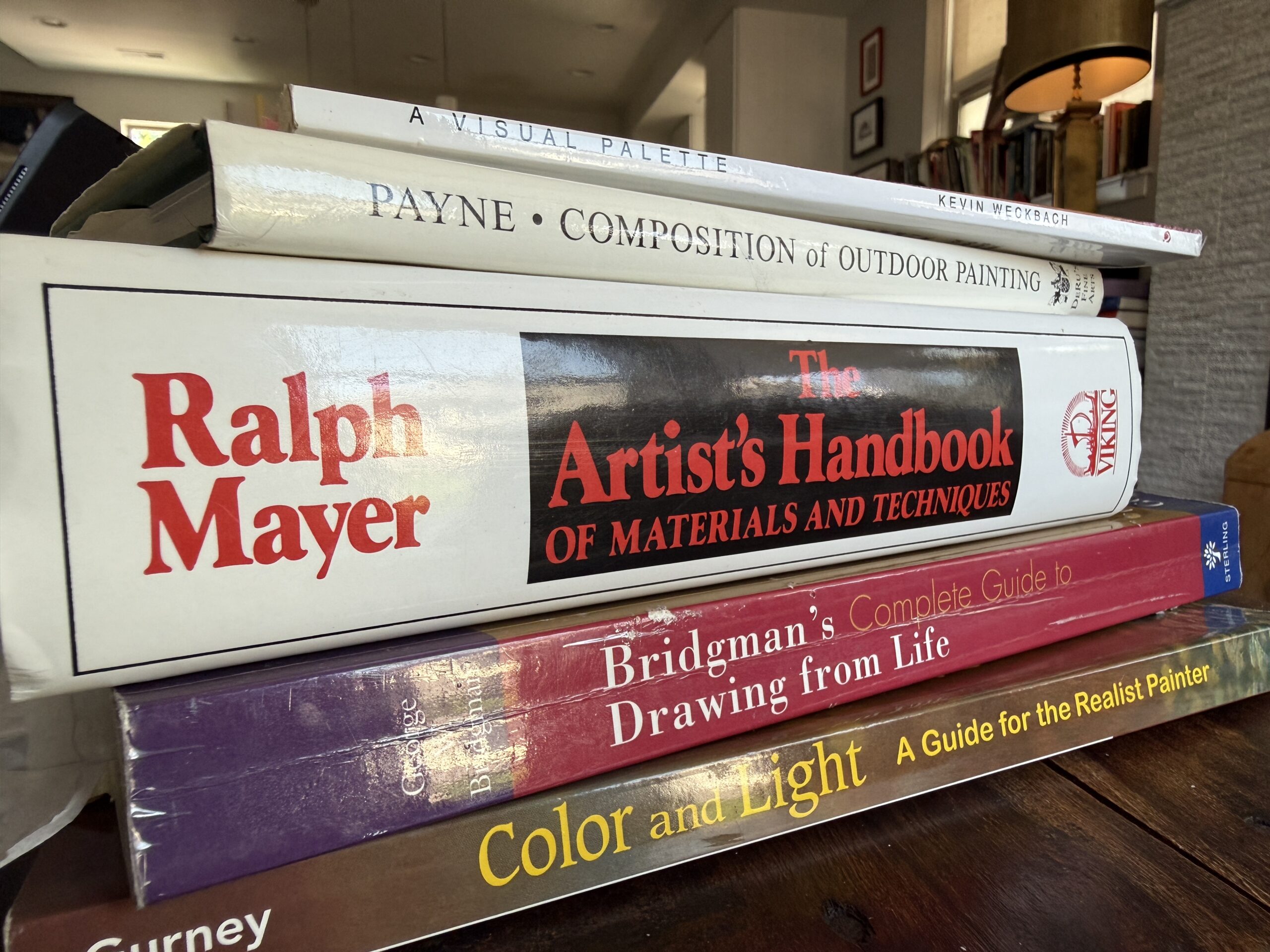
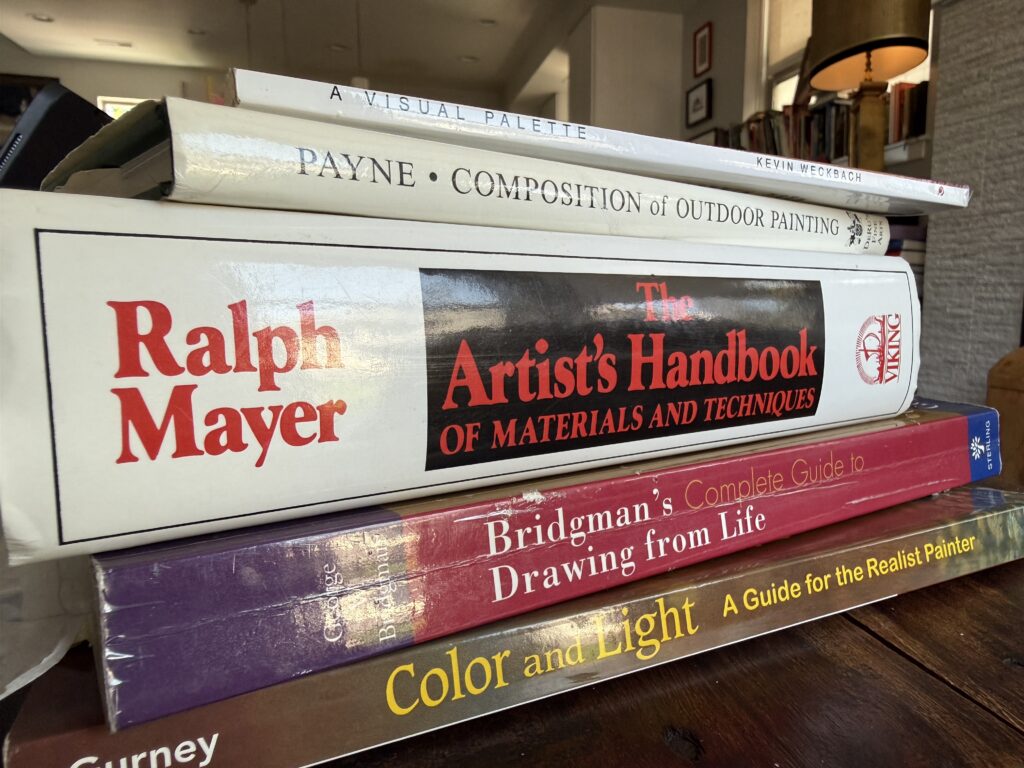
If you read Part 1 of this series, you know the rule: I don’t recommend books I haven’t actually read and returned to. The five below have all earned a permanent spot on my shelf. Some of them I’ve read more than once. A couple of them changed the way I see — not just as a painter, but as someone looking at the world.
(I include affiliate links in my posts. If you buy through one, you pay the same price and I earn a small commission that helps keep this blog running.)
Composition of Outdoor Painting by Edgar Payne
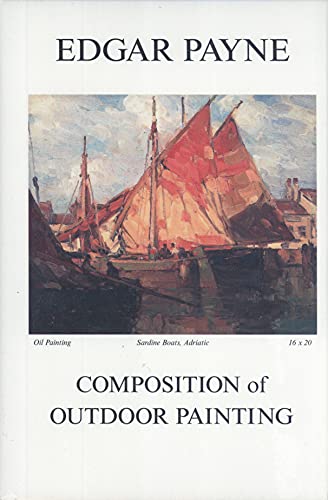
The definitive guide to composing a landscape.
Edgar Payne was one of the great American landscape painters of the early 20th century, best known for his sweeping Sierra Nevada and Southwest paintings. This book, first published in 1941, is his attempt to put into words what he spent a lifetime learning about how to organize a painting from nature. It has never gone out of print, and for good reason.
What’s Inside:
- A practical system for composition. Payne breaks landscape composition down into named types — S-curves, radiating lines, group mass, triangular arrangements — and shows with clear diagrams how each one works and when to use it. It sounds mechanical, but it gives you a vocabulary for decisions you were already making intuitively, which makes them easier to control.
- Selection and arrangement. One of the hardest things about painting outdoors is deciding what to include and what to leave out. Payne addresses this directly — how to look at a chaotic scene in nature and find the structure inside it. This is something I come back to every time I’m struggling with a plein air composition.
- Thumbnail diagrams of master paintings. The book analyses compositions from successful landscape painters using simple black-and-white thumbnails, which is an education in itself. Seeing how a painting reduces to a handful of shapes and values changes how you look at everything.
You can purchase Composition of Outdoor Painting here
Bridgman’s Complete Guide to Drawing from Life by George Bridgman
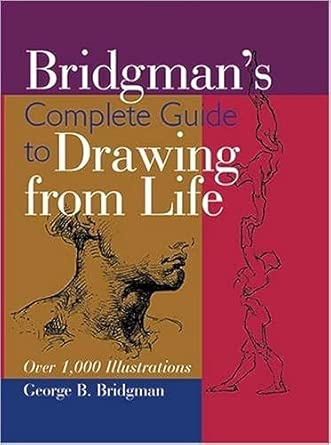
The figure drawing bible, still unmatched after a century.
George Bridgman taught at the Art Students League of New York for decades, and this book collects his approach to the human figure — not as a surface to copy, but as a system of masses, rhythms, and mechanics. It was published in the early 1900s and it has never gone out of print, which tells you everything you need to know.
This is a book that has helped me greatly in figure drawing. This book helped me to understand how the forms of the body work and interact with each other in a very clear and intuitive way.
What’s Inside:
- The figure as architecture. Bridgman breaks the body into simplified block forms — the box of the chest, the wedge of the pelvis — making it possible to understand and reconstruct the figure from any angle rather than just tracing what you see.
- Rhythm and movement. His treatment of how the body moves and how weight distributes through the figure is unlike anything else in drawing education. Once you see it, you can’t unsee it.
- Raw, direct instruction. This isn’t a pretty coffee table book. It’s dense, text-heavy, and packed with drawings that are more diagram than illustration. That’s exactly what makes it so useful. Study it, don’t just flip through it.
You can purchase Bridgman’s Complete Guide to Drawing from Life here
The Artist’s Handbook of Materials and Techniques by Ralph Mayer
The reference book every serious painter should own.
This is not a book you read cover to cover. It’s a book you keep within reach. Ralph Mayer spent his career researching the physical properties of art materials, and this handbook is the result — a comprehensive reference on pigments, oils, mediums, solvents, supports, and techniques, from a technical standpoint that most painting books never come close to.
What’s Inside:
- The science behind the materials. Want to know exactly how linseed oil forms a paint film, or why certain pigments interact badly with others, or what makes a ground suitable for oil versus tempera? It’s in here, explained clearly without being overly academic.
- Historical context. Mayer connects modern materials to their origins, which helps you understand why certain traditions developed the way they did — and why the old masters’ paintings have lasted as long as they have.
- A resource you’ll return to for years. I’ve reached for this book to settle specific technical questions more times than I can count. If you’re serious about oil painting and want to understand not just how to use your materials but why they behave the way they do, this is the book.
You can purchase The Artist’s Handbook of Materials and Techniques by Ralph Mayer here
Color and Light: A Guide for the Realist Painter by James Gurney
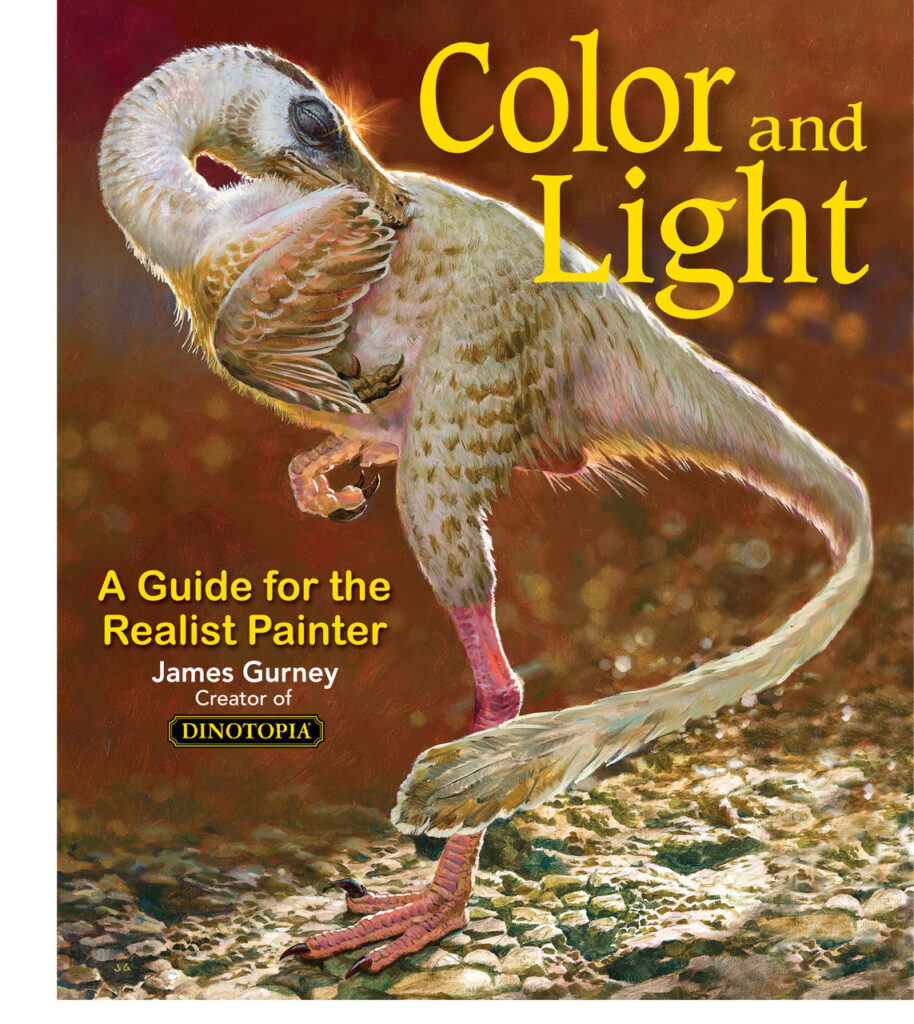
The best book on color and light written in the last 50 years.
James Gurney is the creator of Dinotopia and one of the most thoughtful painter-educators writing today. This book tackles the two things that give realist painters the most trouble — how light actually behaves, and how to translate that into paint. It is clear, grounded in observation, and illustrated with Gurney’s own paintings throughout.
What’s Inside:
- Light as a physical phenomenon. Gurney explains how light wraps around forms, how reflected light works, why shadows aren’t just darker versions of the lit area, and how color temperature shifts between light and shadow. These are the concepts that separate flat paintings from luminous ones.
- Color theory in practice. Not abstract color wheel theory, but the specific decisions a painter makes — how to mix a convincing shadow color, how to handle a backlit subject, how to paint a scene under overcast vs. direct sunlight.
- Gamut mapping. One of the most useful concepts in the book, and one most painters haven’t encountered. Gurney introduces a practical system for planning your color relationships before you start a painting. It’s changed the way I approach color decisions.
You can purchase Color and Light: A Guide for the Realist Painter by James Gurney here
A Visual Palette: A Philosophy of the Natural Principles of Painting by Kevin Weckbach
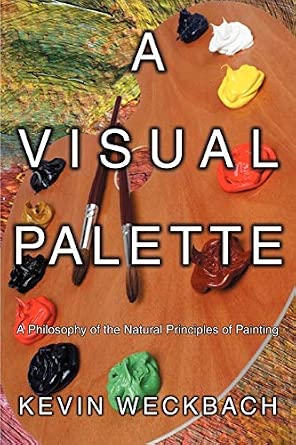
Not a how-to — a why-to.
Most painting books teach technique. This one teaches you how to think. Kevin Weckbach is one of the most sought-after painting instructors in the country, and this book brings together the foundational principles behind what makes a painting work — not rules to follow, but ideas to internalize. I’d describe it as a book that makes you a better observer of your own painting.
What’s Inside:
- The philosophy beneath the practice. Weckbach writes about painting the way a thoughtful teacher talks about it — not as a set of procedures, but as a way of seeing and responding. The principles he discusses apply regardless of your style or subject matter.
- Accessible for all levels. This isn’t a book for advanced painters only. In some ways it’s most useful early on, when the foundational ideas about how we see and how we paint have the most room to take root.
- A book to read slowly. Don’t rush it. There’s more in each chapter than you’ll absorb in one reading. I’ve come back to sections of this book at different stages in my development and gotten something new out of them each time.
You can purchase A Visual Palette by Kevin Weckbach here
Each of these books offers something different: form and construction, the figure, materials knowledge, color and light, and the philosophy behind it all. Together they cover most of what a painter needs to understand. If you’re building a library, these five alongside the ones from Part 1 are a solid foundation.